- Aviation Brief
- Posts
- The U-2 Incident: How a High-Flying Spy Plane Redefined the Cold War
The U-2 Incident: How a High-Flying Spy Plane Redefined the Cold War
What if I told you a near-forgotten encounter in 1960 shaped the entire strategy of aerial reconnaissance during the Cold War?
The Cold War skies were as much a battleground as the icy depths of diplomacy. In this era of covert operations, one mission stands out: the fateful flight of the American U-2 spy plane piloted by Francis Gary Powers on May 1, 1960. Flying at an altitude of 70,000 feet—believed to be untouchable by Soviet defenses—Powers was tasked with photographing key military installations deep within the USSR. The U-2’s design was revolutionary: its lightweight structure and long, glider-like wings enabled it to reach unprecedented heights, beyond the range of most interceptors and surface-to-air missiles (SAMs). But on that day, Soviet ingenuity and luck converged to shatter this illusion of invincibility.
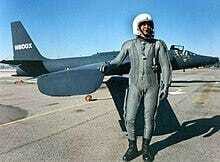
(Capt. Francis Gary Powers standing next to his U2 Aircraft)
As Powers cruised over Sverdlovsk, Soviet radar locked onto his aircraft. A newly developed SAM system, the SA-2 Guideline, was launched with deadly precision. Despite the U-2’s altitude advantage, one missile exploded close enough to disrupt the aircraft’s fragile structure. Powers ejected and was captured on the ground, sparking an international crisis. The downing of the U-2 exposed not just a technical vulnerability but also a gaping flaw in U.S. assumptions about Soviet capabilities. For the first time, the world realized the USSR’s missile technology could challenge American aerial supremacy.
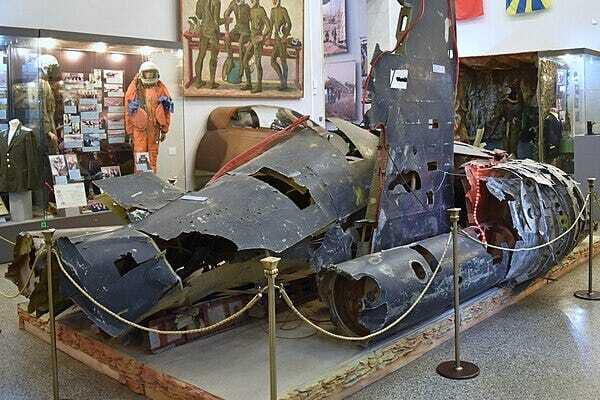
(The wreckage of the American Lockheed U-2 on display at the Central Armed Forces Museum in Moscow)
This event was more than a military embarrassment; it was a political catastrophe. Powers’ capture provided the Soviet Union with undeniable evidence of U.S. espionage, undermining President Dwight D. Eisenhower’s credibility. The incident torpedoed an impending U.S.-Soviet summit and escalated Cold War tensions. To make matters worse, the Soviets used the downed plane’s remains to showcase their technological prowess, while Powers' confession during a televised trial served as a propaganda triumph.
However, the U-2 incident wasn’t just a blow to American morale; it revolutionized reconnaissance strategy. Recognizing the risks of manned spy flights, the U.S. accelerated the development of unmanned reconnaissance systems. Within a few years, drones like the AQM-34 Firebee began patrolling contested airspace, laying the foundation for the modern era of drone warfare. Meanwhile, the CIA pushed for the deployment of satellites, such as the Corona program, which would eventually provide safer, more reliable intelligence without risking pilots’ lives.
The U-2’s vulnerabilities also drove advancements in aerial technology. The Lockheed SR-71 Blackbird, developed in response to the incident, became the fastest jet in the world, capable of speeds exceeding Mach 3. Its extraordinary speed and altitude rendered it virtually untouchable by SAMs, providing a safer alternative for manned reconnaissance until satellites took over.
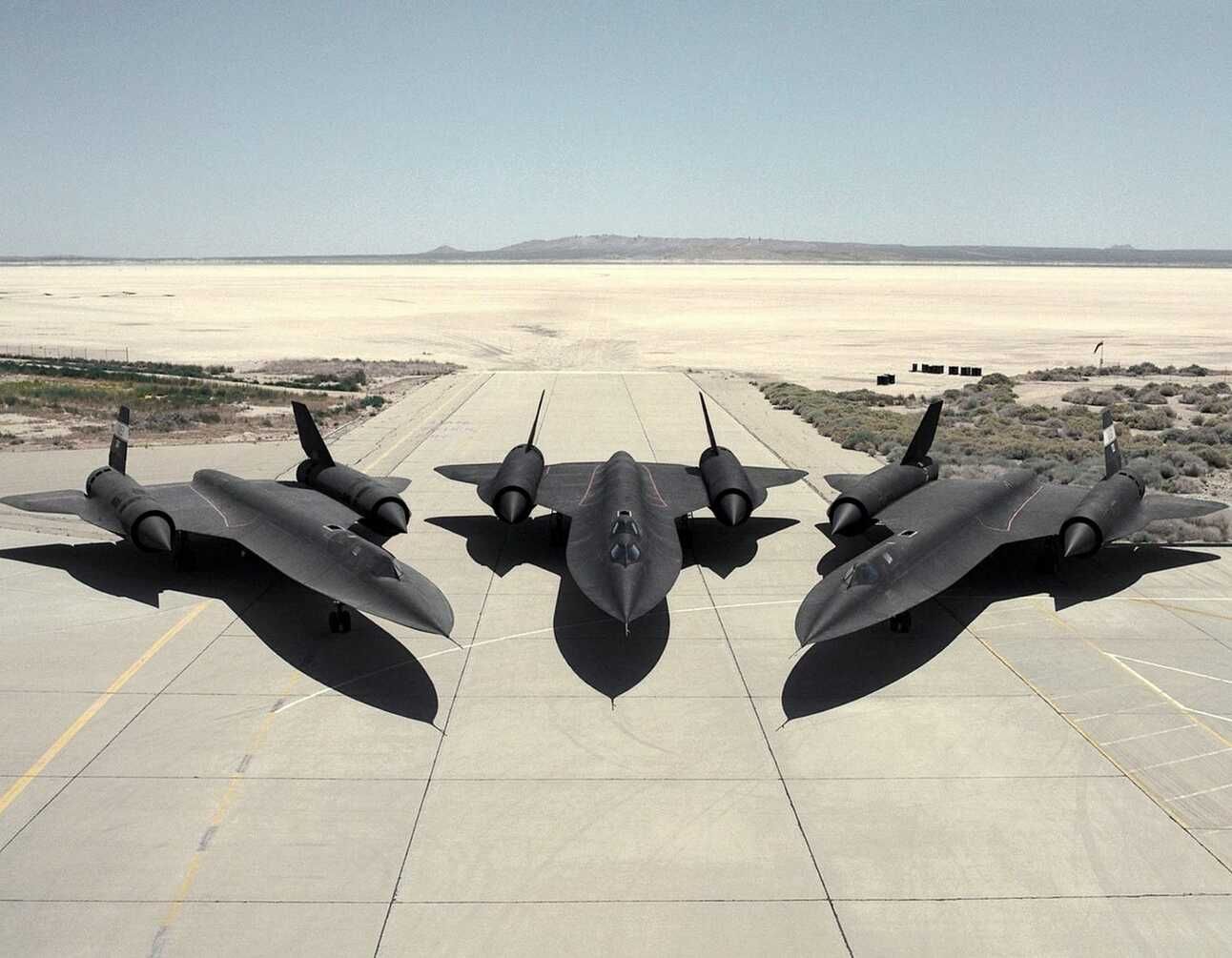
(SR-71A (2) and SR-71B trainer (center), Edwards Air Force Base, California, 1992)
This defining moment of the Cold War taught the world an invaluable lesson: technology, no matter how advanced, is never immune to countermeasures. The downing of Powers’ U-2 forced both superpowers to reconsider their strategies, not just in reconnaissance but in how they perceived each other’s technological capabilities. It became clear that innovation was a double-edged sword—each breakthrough only fueled the adversary’s determination to close the gap.
ADDITIONAL FACT
The U-2 incident indirectly led to the creation of stealth technology. After the flight, Lockheed’s Skunk Works began experimenting with radar-absorbing materials to make future aircraft harder to detect. These efforts culminated in the development of the F-117 Nighthawk, the world’s first operational stealth fighter, which debuted in the 1980s.
Ironically, despite its risks, the U-2 remains in service today, its sensors and avionics upgraded for modern missions. Its longevity proves that even a Cold War relic can adapt to the challenges of a new era.
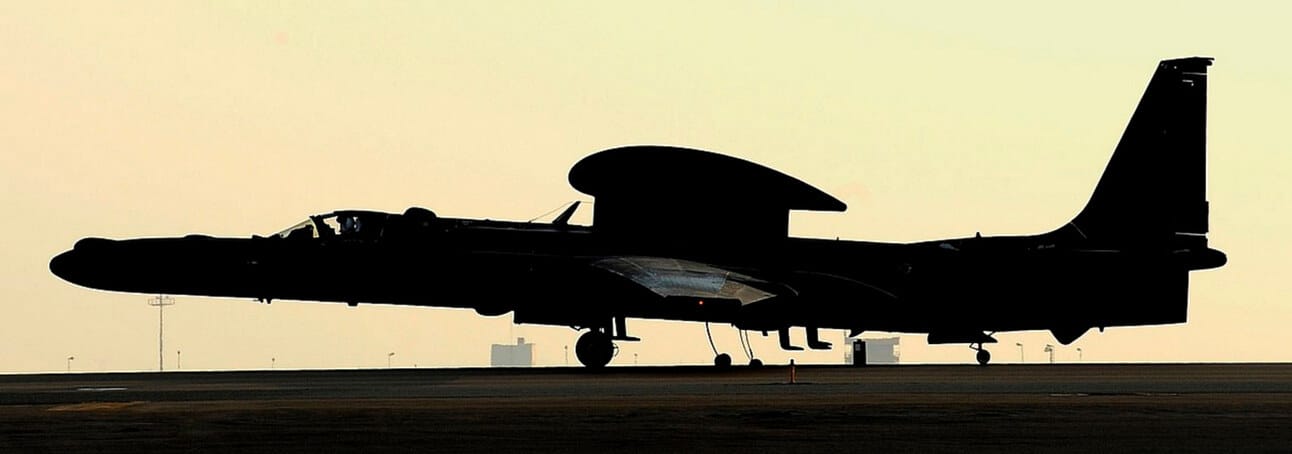
(U-2S with the Senior Span/Spur communications suite at Al Dhafra Air Base, United Arab Emirates, ca. 2017)
Thanks for reading The Aviation Brief! This post is public so feel free to share it.
Reply